Great leadership isn’t born overnight—it’s cultivated through deliberate practice, reflection, and continuous development. Whether you’re a seasoned executive, an emerging leader, or someone striving to improve your leadership abilities, the traits of high-impact leadership can be developed by anyone willing to invest time and effort. These traits serve as the foundation for creating environments where teams thrive, cultures flourish, and organisations succeed.
At Developing Leaders, we believe that leadership is a lifelong journey, one that involves personal growth, adaptability, and resilience.
To help guide you on this journey, we’ve outlined 8 high-impact leadership traits that anyone who is committed to becoming a more effective leader can master.
1. EMOTIONAL INTELLIGENCE (EQ)
Why It Matters:
Emotional intelligence (EQ) is the ability to recognise, understand, and manage your own emotions, as well as the emotions of others. It encompasses empathy, self-awareness, self-regulation, motivation, and social skills—critical components for any leader. A leader with high EQ can manage conflict more effectively, build trust, and foster a collaborative environment.
How to Master It:
To build emotional intelligence, start by becoming more self-aware. Pay attention to your emotional reactions in various situations and consider how they influence your decision-making. Practice empathy by actively listening to your team members and trying to understand their perspectives. Developing these habits will help you create stronger connections with others and lead more effectively.
2. ADAPTABILITY
Why It Matters:
The ability to adapt is crucial in today’s fast-paced and ever-changing business environment. Whether it’s dealing with unforeseen challenges, technological advancements, or shifts in market trends, a leader must be flexible and open to change. Adaptable leaders are able to pivot quickly, leading their teams through periods of uncertainty with confidence and resilience.
How to Master It:
To develop adaptability, cultivate a growth mindset. Embrace challenges as opportunities for learning rather than obstacles. Be open to feedback, and allow yourself the flexibility to change course when necessary. Encourage your team to adopt a similar mindset, helping them navigate changes with positivity and productivity.
3. DECISION-MAKING PROWESS
Why It Matters:
Effective decision-making is a hallmark of strong leadership. Great leaders know when to make tough decisions, how to weigh options, and when to act with conviction. Strong decision-making instills confidence in your team and drives the organisation forward, even when facing ambiguity or high pressure.
How to Master It:
To improve your decision-making, practice taking a step back to assess all available information before making a choice. Learn to trust your intuition while also considering data and feedback. Engage with your team for input and involve them in the decision-making process when appropriate. This collaborative approach will ensure you are making well-informed, strategic decisions.
4. PURPOSEFUL COMMUNICATION
Why It Matters:
Clear, concise, and transparent communication is one of the most important skills a leader can possess. Whether delivering feedback, aligning teams toward a shared vision, or navigating difficult conversations, communication is the bridge that connects leaders to their teams and stakeholders. Strong communicators inspire trust, reduce confusion, and ensure everyone is aligned.
How to Master It:
Focus on both listening and speaking effectively. Mastering active listening allows you to understand the concerns and ideas of others before responding. Be clear and concise when conveying your own messages. And don’t forget non-verbal communication—your body language, tone, and expressions can convey as much as your words.

5. VISIONARY THINKING
Why It Matters:
Leadership without vision is like a ship without a rudder. Visionary leaders inspire their teams by setting a clear direction, explaining the “why” behind their goals, and encouraging innovation and creativity. A compelling vision provides purpose and motivation, helping teams work toward a common objective with passion and commitment.
How to Master It:
To enhance your visionary thinking, spend time reflecting on your organisation’s long-term goals and the broader industry trends. Develop a strategic plan that aligns with the company’s mission while leaving room for innovation and creativity. Engage your team in the vision-building process and make sure they understand how their individual contributions play a role in the broader picture.
6. ACCOUNTABILITY AND INTEGRITY
Why It Matters:
Accountability and integrity are the cornerstones of trust. As a leader, setting an example by holding yourself accountable and adhering to ethical standards sends a powerful message to your team. Leaders who demonstrate integrity gain the respect of their teams, build strong relationships, and create a culture of honesty and transparency.
How to Master It:
Lead by example—be honest in your dealings and take responsibility for both successes and failures. Make it clear that your team is expected to follow suit. Establish systems of accountability that promote ownership of responsibilities at every level. When mistakes occur, address them promptly, learn from them, and demonstrate a commitment to continuous improvement.
7. EMPOWERMENT AND DELEGATION
Why It Matters:
A great leader knows that their success depends on the success of their team. By empowering your team members, you give them the autonomy and resources they need to succeed. Effective delegation allows you to focus on higher-level tasks while helping your team members grow, take ownership, and feel valued.
How to Master It:
Trust your team with important tasks and give them the space to take initiative. Delegate responsibilities based on individual strengths and areas for growth. Provide guidance and support when needed, but resist the urge to micromanage. When your team succeeds, celebrate their achievements and give them credit for their contributions.

8. RESILIENCE AND GRIT
Why It Matters:
Leaders inevitably face setbacks and challenges. Resilience and grit allow leaders to persevere in the face of adversity, maintaining focus and determination. These traits help leaders remain optimistic and proactive during tough times, motivating their teams to push forward toward their goals.
How to Master It:
Build resilience by developing mental toughness through mindfulness and stress-management techniques. Embrace challenges as opportunities for growth and learn to bounce back from setbacks. Stay focused on your long-term goals and encourage your team to stay the course, even when obstacles arise. Cultivating a sense of purpose will help you and your team navigate challenges with determination.
MASTERING LEADERSHIP TRAITS FOR PERSONAL AND PROFESSIONAL GROWTH
Leadership is not about a title or position—it’s about action, influence, and the ability to inspire others. These 8 high-impact leadership traits—emotional intelligence, adaptability, decision-making prowess, purposeful communication , visionary thinking, accountability, empowerment, and resilience—are not innate qualities. They can be cultivated and honed by anyone willing to commit to their own growth and development. By focusing on these traits, you can become the kind of leader who drives meaningful change, creates high-performing teams, and leads with confidence and purpose. As you continue to develop as a leader, remember that it’s a journey of continuous learning. Embrace the process, seek feedback, and reflect on your progress. With dedication and effort, these traits can become second nature, making you the kind of leader who inspires greatness in others and leaves a lasting impact on your organisation.
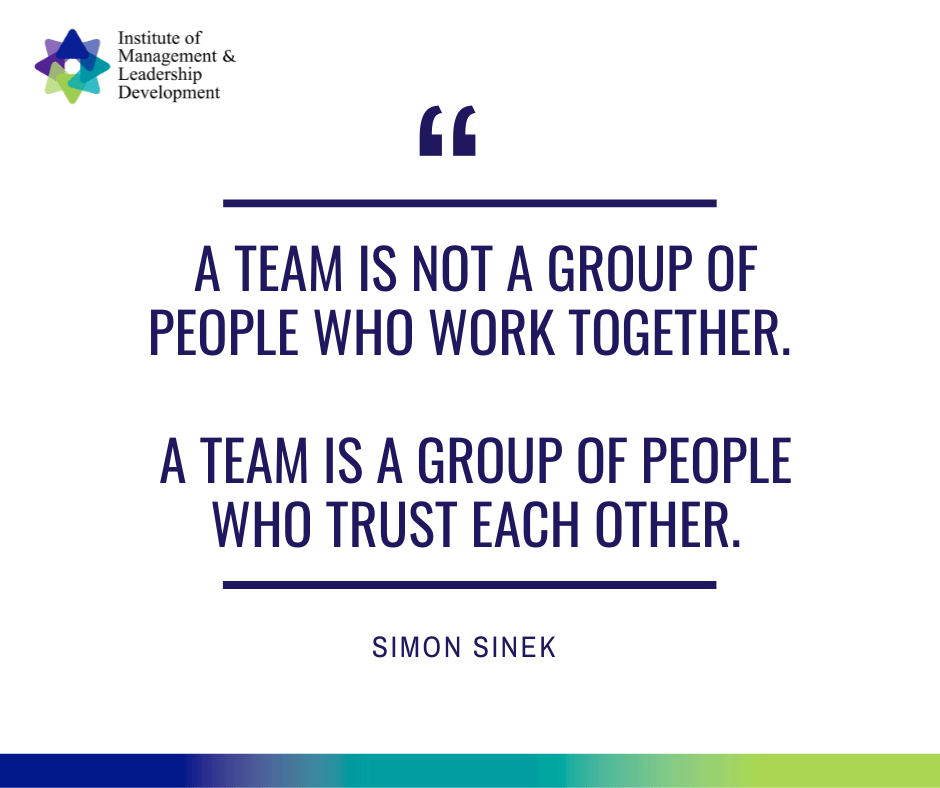
If you don’t trust me yet, watch Simon Sinek’s take on “How do we Actually Build Trust in Teams” here!
At Developing Leaders, we are committed to helping you build these
traits through personalised coaching, leadership programs,
and actionable strategies. If you’re ready to take your leadership to
the next level, book a free introductory appointment with Michael here!